Do you ever wonder just how big an 11-inch pizza really is? Well, prepare to have your taste buds tantalized and your questions answered.
In this article, we'll dive into the dimensions, serving size, and number of slices of this delectable pie. Whether you're dining solo or hosting a pizza party, we've got you covered with tips for ordering the perfect 11-inch pizza.
Get ready to savor every bite as we unveil the secrets of this mouthwatering treat.
Understanding the 11-Inch Pizza Size
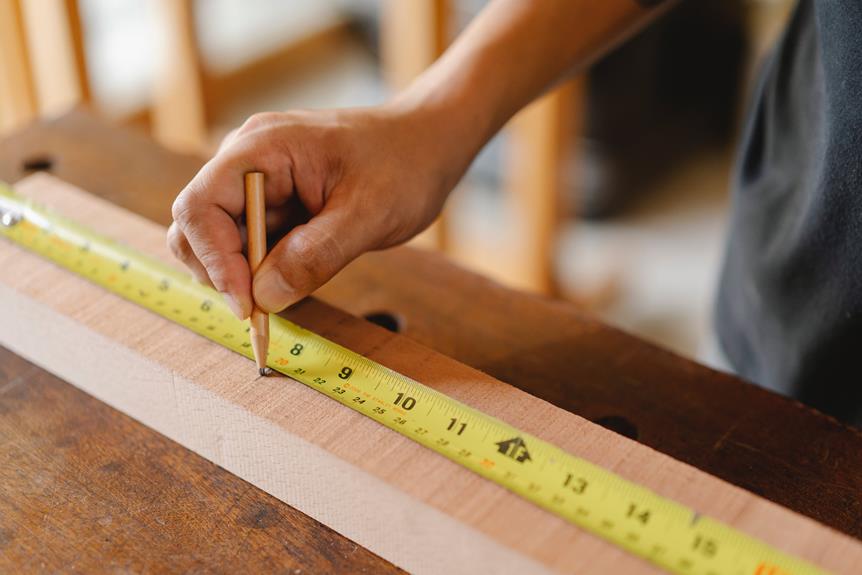
To understand the size of an 11-inch pizza, imagine a round pizza that measures 11 inches in diameter. Picture a freshly baked crust, perfectly golden and slightly crispy on the edges.
As you take your first bite, you notice the generous amount of tangy tomato sauce, spreading across the surface. The toppings, whether it's gooey melted cheese or your favorite combination of meats and vegetables, are evenly distributed, creating a delicious harmony of flavors.
The 11-inch pizza is a standard size, perfect for an individual meal or a shared appetizer. When compared to larger sizes, like a 16-inch pizza, it may seem smaller, but don't be fooled. It still offers a satisfying portion that will leave you feeling satisfied and content.
Comparing the Dimensions of an 11-Inch Pizza
How does the size of an 11-inch pizza compare to other pizza dimensions?
When it comes to pizza, size matters. An 11-inch pizza may seem small, but it's actually a great personal size that's perfect for one person.
Compared to a 14-inch pizza, which is the most popular size for a medium pizza, the 11-inch pizza is about 30% smaller in diameter.
However, don't let the smaller size fool you. The 11-inch pizza still offers plenty of room for all your favorite toppings. Whether you prefer classic options like pepperoni and mushrooms or get creative with gourmet toppings like arugula and truffle oil, an 11-inch pizza is the ideal canvas for your culinary creations.
Serving Size and Portion Control of an 11-Inch Pizza
Wondering how much pizza you can actually eat when it comes to an 11-inch pizza? Well, the serving size estimation for an 11-inch pizza is typically one slice.
However, it's important to consider portion control and your own dietary needs. If you're watching your calorie intake, it's crucial to be mindful of the toppings and crust thickness, as they can significantly affect the nutritional value.
Opting for healthier toppings like vegetables and lean meats can make your slice more nutritious. Additionally, if you're looking to control your portion size, you can divide the pizza into smaller slices or share it with a friend.
Is an 11-Inch Pizza Enough for One Person
If you're hungry and looking for a satisfying meal, an 11-inch pizza can be enough for one person. While it may not seem like a large pizza, the 11-inch size is actually quite substantial.
To put it into perspective, an 11-inch pizza is about the same size as a medium pizza at many popular chains. It typically consists of six slices, which means you'll have enough to fill your stomach without feeling overwhelmed.
The crust is usually thin, allowing you to enjoy a perfect balance of toppings and dough. Whether you prefer classic flavors like pepperoni and cheese or more adventurous combinations, an 11-inch pizza can offer a satisfying meal for one.
How Many Slices Can You Expect From an 11-Inch Pizza
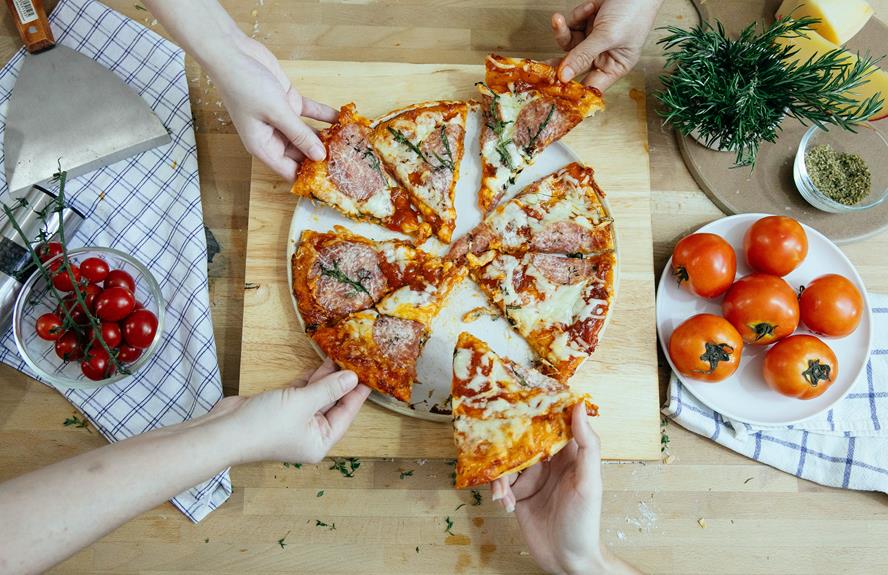
You can expect around six slices from an 11-inch pizza. When sharing an 11-inch pizza with friends or family, it's important to know how many slices you can expect. Here are a few key points to keep in mind:
The average slice size of an 11-inch pizza is approximately 2 inches wide. This means that each slice is a generous portion, perfect for enjoying with others.
With six slices, everyone can have a satisfying portion without feeling too full or hungry.
The size of the slices may vary slightly depending on the crust thickness and toppings, but overall, you can expect each slice to be a good size for sharing.
If you're serving a group with larger appetites, you may want to consider ordering an additional pizza or adding some side dishes to ensure everyone is fully satisfied.
Knowing the number of slices you can expect from an 11-inch pizza allows you to plan accordingly and ensure everyone gets their fair share. Whether it's a cozy night in or a gathering with friends, sharing a delicious pizza is always a crowd-pleaser.
Tips for Ordering the Perfect 11-Inch Pizza
To ensure you order the perfect 11-inch pizza, consider these helpful tips.
First, think about your ordering preferences. Are you a fan of thin crust or do you prefer a thicker, doughier base? Knowing your preference will help you choose the right type of crust for your pizza.
Next, consider the best toppings to complement your pizza. Classic choices like pepperoni, mushrooms, and onions are always popular, but don't be afraid to get creative. Try adding some roasted garlic, fresh basil, or even pineapple for a unique twist.
Lastly, don't forget to specify any special instructions or dietary restrictions when placing your order. Whether you want your pizza well-done or have any specific allergies, communicating these details will ensure that your 11-inch pizza is made exactly the way you want it.
Do you ever wonder what's really in your favorite slice of pizza?
In this article, we'll dive into the ingredients of pizza and explore whether it contains red dye 40.
With its vibrant color and potential health effects, red dye 40 has been a topic of concern for many.
By examining the common foods that contain it and its impact on your well-being, we'll uncover the truth about pizza and its relationship with this controversial ingredient.
Get ready to satisfy your curiosity and make informed choices about your food.
What Is Red Dye 40
Red Dye 40 is a commonly used food coloring that you may have encountered in various products. It's a synthetic dye that gives food a vibrant red color.
While it may make food more visually appealing, there are both pros and cons to consuming Red Dye 40. On the positive side, it allows for a wide range of colorful food options and can enhance the overall eating experience.
However, there are concerns about its potential negative effects. Some studies suggest that Red Dye 40 may cause hyperactivity and behavioral issues in children, although more research is needed to confirm these claims.
Additionally, Red Dye 40 is often found in processed snacks, which are typically high in sugar and unhealthy ingredients. Therefore, it's important to consider the presence of Red Dye 40 when making food choices, especially if you're trying to maintain a healthy diet.
Common Foods Containing Red Dye 40
When ordering pizza, you may be surprised to learn that many common toppings contain the food coloring Red Dye 40. This artificial color is widely used in the food industry to enhance the appearance of various products.
Here are some common foods that contain Red Dye 40:
Tomato-based sauces: Red Dye 40 is often added to give tomato sauces a vibrant red color, including those used on pizza.
Candy: Many candies, such as gummy bears, fruit snacks, and red-colored hard candies, rely on Red Dye 40 for their bright hues.
Consuming foods that contain artificial colors like Red Dye 40 may pose potential risks. Some studies suggest that it could cause allergic reactions, hyperactivity in children, and even contribute to certain types of cancer. It's important to be mindful of the ingredients in the foods we consume and consider the potential effects they may have on our health.
Red Dye 40 and Its Potential Health Effects
To understand the potential health effects of Red Dye 40, it's important to be aware of its presence in various food products.
Red Dye 40, also known as Allura Red AC, is a synthetic food coloring commonly used in a wide range of processed foods, including candies, desserts, beverages, and even medications.
While the FDA has deemed Red Dye 40 safe for consumption, some studies suggest potential risks associated with its use. These studies have linked Red Dye 40 to hyperactivity in children, allergic reactions, and even cancer in animal studies.
However, it's worth noting that most of these studies have been conducted on animals or in controlled laboratory settings, and more research is needed to fully understand the impact on human health.
In the meantime, if you're concerned about the potential risks of Red Dye 40, you can opt for foods and beverages that use natural food colorings or explore alternatives to Red Dye 40, such as beet juice, turmeric, or paprika extract.
The Ingredients of Pizza
If you're curious about the ingredients of pizza and how they might relate to the topic of Red Dye 40, let's dive right in.
Pizza, a beloved dish enjoyed worldwide, consists of various ingredients that come together to create a flavorful experience. When it comes to cheese types, the most commonly used on pizza are mozzarella, cheddar, and Parmesan. These cheeses not only add richness and creaminess to the pizza but also provide a stretchy texture that's loved by many.
The pizza dough, on the other hand, is made using a combination of flour, water, yeast, and salt. This dough is then kneaded and left to rise, resulting in a soft and chewy crust that serves as the foundation for the toppings.
Understanding the ingredients of pizza allows you to appreciate the craftsmanship and thought that goes into each slice, making it all the more enjoyable.
Does Pizza Contain Red Dye 40?
Does pizza include any traces of Red Dye 40? It's natural to wonder about the presence of this food coloring in one of your favorite dishes.
The good news is that pizza generally doesn't contain Red Dye 40. While this dye is commonly found in a variety of processed foods, such as candies, soft drinks, and desserts, it isn't a typical ingredient in pizza. Pizza typically gets its red color from natural ingredients like tomatoes and tomato sauce.
However, if you're concerned about consuming Red Dye 40, there are potential alternatives available. Some pizza brands offer options made with natural food coloring or without any added colors. So, if you want to avoid Red Dye 40, it's worth checking the ingredient list or exploring alternative pizza options.
Can't wait to enjoy a hot and delicious slice of Ellio's pizza? Wondering if you can pop it in the microwave for a quick and easy meal? Well, you're in luck!
In this article, we'll guide you through the dos and don'ts of microwaving Ellio's pizza. Discover the perfect settings, alternate heating methods, and expert tips to achieve that crispy crust you crave.
To ensure safe microwaving of Ellio's Pizza, take precautionary measures.
When microwaving Ellio's Pizza, it's essential to follow the recommended microwave cooking times provided on the packaging. These cooking times are specifically designed to ensure that the pizza is heated thoroughly and evenly, minimizing the risk of undercooked or overcooked sections.
Additionally, when reheating leftover pizza in the microwave, it's crucial to place the pizza on a microwave-safe plate or dish. This prevents any potential damage to the microwave and ensures that the pizza is heated evenly.
It's also advisable to cover the pizza with a microwave-safe lid or microwave-safe paper towel to retain moisture and prevent any splattering.
Proper Microwave Settings for Ellio's Pizza
When microwaving Ellio's Pizza, make sure to adjust the microwave settings according to the recommended cooking times. Here are some tips to help you achieve the perfect slice:
Set your microwave to high power: To ensure that your pizza cooks evenly and quickly, it's best to use the highest power setting on your microwave.
Check the recommended cooking times: The packaging of Ellio's Pizza will provide you with specific instructions on how long to microwave your pizza. Follow these guidelines for the best results.
Consider the toppings: If your pizza has additional toppings, such as extra cheese or vegetables, you may need to adjust the cooking time slightly. Keep an eye on the pizza as it cooks, and if necessary, add a few extra seconds to ensure everything is heated through.
Let it rest: Once your pizza is done, let it sit in the microwave for a minute or two. This will help the heat distribute evenly and prevent any potential burns.
Cook for approximately 11-13 minutes or until the cheese is melted and the crust is golden brown.
Keep an eye on it to prevent overcooking.
Conventional Oven:
Preheat your conventional oven to 425°F (220°C).
Remove the pizza from the packaging and place it on a baking sheet.
Bake for about 11-13 minutes or until the cheese is bubbling and the crust is crispy.
Skillet:
Heat a non-stick skillet over medium heat.
Place the frozen pizza directly on the skillet.
Cook for around 7-9 minutes, flipping occasionally, until the cheese is melted and the crust is crispy.
Grill:
Preheat your grill to medium heat.
Place the frozen pizza directly on the grill grates.
Close the lid and cook for approximately 9-11 minutes, rotating halfway through, until the cheese is melted and the crust is charred to your liking.
Remember to check the heating time and adjust accordingly to ensure a delicious Ellio's Pizza experience.
Tips for Achieving a Crispy Crust When Microwaving Ellio's Pizza
For a crispy crust, try microwaving Ellio's Pizza for a shorter amount of time and using a microwave-safe plate. By reducing the cooking time, you can prevent the crust from becoming soggy and achieve a deliciously crispy texture. Make sure to follow the instructions on the packaging for the recommended cooking time, but consider reducing it by 30 seconds or so to get that perfect crunch.
Additionally, using a microwave-safe plate allows for even heating and prevents the crust from getting too soft.
As for toppings, some crispy crust hacks include adding thinly sliced vegetables like bell peppers or onions, which can add a delightful crunch to each bite. Alternatively, you can sprinkle some grated Parmesan cheese or breadcrumbs on top before microwaving for an extra crispy finish.
Common Mistakes to Avoid When Microwaving Ellio's Pizza
Are you wondering how to avoid common mistakes when microwaving Ellio's Pizza? Here are some tips to help you achieve a perfect slice every time.
Don't overcrowd the microwave: It's important to give your Ellio's Pizza enough space to cook evenly. Avoid placing multiple slices too close together as this can result in uneven heating and a soggy crust.
Follow the cooking time: Ellio's Pizza has specific cooking instructions on the packaging. Be sure to follow these guidelines to ensure that your pizza cooks thoroughly and evenly. Overcooking or undercooking can lead to a less enjoyable eating experience.
Choose the right toppings: While Ellio's Pizza comes with its own toppings, you can also get creative and add your own. However, be mindful of choosing toppings that don't require extensive cooking time, as this can affect the overall cooking process.
Allow the pizza to rest: After microwaving, let your Ellio's Pizza rest for a minute or two. This will help the cheese to set and the crust to firm up, resulting in a more enjoyable eating experience.
Final Thoughts on Microwaving Ellio's Pizza
To achieve the best results when microwaving Ellio's Pizza, follow these final tips.
While microwaving may not give you the same crispy crust as the oven, it can still be a convenient option. First, make sure to use a microwave-safe plate or dish to avoid any accidents.
Place the to Cook Hunt Brothers Pizza at Home it on high for about 2-3 minutes, or until the cheese is melted and bubbly. To prevent sogginess, you can place a microwave-safe paper towel underneath the pizza to absorb excess moisture.
As for toppings, it's best to stick with simple options like pepperoni, cheese, or vegetables, as more delicate toppings can become soggy in the microwave.
Hey there, pizza lover! Wondering if you can still enjoy your favorite slice with dentures? Well, the answer is a resounding yes!
In this article, we'll dive into the challenges you may face and give you some expert tips on how to conquer them.
From choosing the right toppings to mastering the art of chewing, we've got you covered.
So sit back, relax, and get ready to savor every bite of that delicious pizza, denture-style!
Understanding the Challenges
Eating pizza with dentures can present various challenges that you should be aware of. Adapting to dentures requires a period of adjustment, especially when it comes to your eating habits. Dentures can affect your ability to chew and taste food properly, and this can make enjoying your favorite slice of pizza a bit more challenging.
The texture and consistency of pizza crust can be difficult to handle with dentures, as it requires a strong bite and chewing motion. It's important to be cautious while eating pizza, as biting into a hot slice can potentially dislodge your dentures. You may also find that certain toppings, such as sticky cheese or chewy meats, can be more difficult to chew with dentures.
It's essential to take small bites, chew slowly, and be mindful of the texture of the pizza to prevent any discomfort or damage to your dentures.
Choosing the Right Pizza Toppings
When it comes to enjoying pizza with dentures, selecting the appropriate toppings can make a significant difference in your eating experience. The right toppings can enhance the flavor, texture, and overall enjoyment of your pizza, while also ensuring that it's denture-friendly.
Here are three pizza topping options that you may want to consider:
Thin Crust: Opting for a thin crust pizza can make it easier to chew and bite into, especially if you have dentures. The thin crust provides a lighter and crispier base that's less likely to cause discomfort.
Soft Vegetables: Adding soft vegetables like mushrooms, bell peppers, or olives can provide a burst of flavor without putting too much strain on your dentures. These toppings are easy to chew and won't cause any discomfort.
Alternative Cheese: Instead of opting for traditional mozzarella cheese, you could try alternative options like goat cheese or ricotta. These cheese varieties are softer and can be easier to chew and swallow, ensuring a more enjoyable pizza experience.
Chewing Techniques for Denture Wearers
To improve your eating experience with dentures while enjoying pizza, mastering proper chewing techniques is essential. Chewing with dentures can feel different than natural teeth, but with practice, you can make it easier and more comfortable. First, take small bites and chew slowly to prevent your dentures from shifting or dislodging. Cut your pizza into smaller, bite-sized pieces to make it easier to chew.
Additionally, try to distribute the food evenly on both sides of your mouth to avoid putting too much pressure on one area. If your dentures feel loose or uncomfortable while chewing, it may be a sign that they need adjusting. Visit your dentist to improve the fit of your dentures, ensuring a better chewing experience.
While pizza can be challenging, there are alternative foods for denture wearers, such as softer crusts or toppings that are easier to chew, like vegetables or ground meats.
Tips for Preventing Denture Discomfort
If you want to avoid discomfort while wearing dentures, there are several tips you should follow. Here are three important tips to prevent denture discomfort:
Use denture adhesive: Applying a denture adhesive can help keep your dentures in place and prevent discomfort caused by rubbing or movement. It provides a secure fit and adds stability, allowing you to eat and speak with confidence.
Avoid sticky foods: Sticky foods like caramel, chewing gum, or taffy can cause your dentures to become dislodged or stick to your gums, leading to discomfort or even damage. Opt for softer foods that are easier to chew and won't stick to your dentures.
Practice good oral hygiene: Maintaining proper oral hygiene is essential for preventing discomfort. Clean your dentures regularly using a denture brush and cleaner, and don't forget to clean your mouth and gums as well.
Cleaning and Caring for Dentures After Pizza Enjoyment
After enjoying pizza with your dentures, it's important to properly clean and care for them to maintain their hygiene and longevity.
Denture hygiene is crucial to prevent the buildup of plaque and bacteria, which can lead to bad breath and gum disease.
Start by removing your dentures and rinsing them under warm water to remove any food particles.
Use a soft-bristle toothbrush and non-abrasive denture cleaner to gently brush all surfaces of your dentures, including the gums and palate.
Avoid using regular toothpaste as it can be too abrasive and damage your dentures.
Additionally, be mindful of the crusts and toppings on the pizza. If you find it difficult to chew or if certain crusts are too hard for your dentures, consider opting for softer pizza crust alternatives like thin-crust or gluten-free options.
Can you use tomato paste for pizza? Absolutely! In fact, tomato paste can be a fantastic substitute for traditional pizza sauce. Not only does it add a rich and concentrated flavor, but it also gives your pizza a thicker and more luscious texture.
In this article, we'll explore the benefits of using tomato paste for pizza, provide tips on how to incorporate it into your recipe, and even share some creative ways to use it in pizza-making.
Using tomato paste for pizza offers several benefits.
One of the main advantages is its concentrated flavor. Tomato paste is made by cooking down tomatoes, removing the excess water, and concentrating the flavors. This results in a rich and intense tomato taste that enhances the overall flavor of the pizza.
Additionally, tomato paste provides a thicker consistency to the pizza sauce, which prevents the crust from becoming soggy. It acts as a binding agent, helping to hold the toppings in place and creating a more cohesive pizza.
While there are alternatives to tomato paste, such as using fresh tomatoes or tomato sauce, they may not provide the same depth of flavor and thickening properties.
Therefore, using tomato paste for pizza is a reliable and delicious choice.
How to Use Tomato Paste as a Pizza Sauce Substitute
To substitute tomato paste as a pizza sauce, start by spreading a thin layer of it over the pizza dough. Tomato paste can be a great alternative to traditional pizza sauce, offering a rich and concentrated flavor. Here's how to use it as a pizza sauce substitute:
Spread a thin layer of tomato paste evenly over the pizza dough.
Add a small amount of water or olive oil to the tomato paste to make it easier to spread.
Sprinkle your favorite herbs and spices, such as oregano, basil, garlic powder, or red pepper flakes, on top of the tomato paste.
Layer your desired toppings, such as cheese, vegetables, or meat, on top of the tomato paste.
By using tomato paste as a pizza sauce substitute, you can enjoy a healthier option compared to traditional pizza sauce. Tomato paste contains less water and is more concentrated, which means it has fewer calories and sugar. It also provides a more intense tomato flavor, making your homemade pizza taste even better.
Enhancing the Flavor of Your Pizza With Tomato Paste
Enhance your pizza's flavor with tomato paste. Tomato paste isn't only a great substitute for pizza sauce, but it can also elevate the taste of your pizza to a whole new level. The concentrated flavor of tomato paste adds depth and richness to the sauce, making it more robust and flavorful.
Additionally, tomato paste can be used in various pasta dishes, making it a versatile ingredient to have in your pantry. If you're looking for alternatives to tomato paste, you can try using sun-dried tomatoes, tomato puree, or even ketchup, although the flavor profiles may differ slightly.
Experiment with different combinations to find the perfect balance of flavors for your pizza. So go ahead and give tomato paste a try, and take your pizza to the next level of deliciousness.
Tips for Properly Incorporating Tomato Paste Into Your Pizza Recipe
To properly incorporate tomato paste into your pizza recipe, you'll want to start by spreading a thin layer of it onto your pizza dough. This will ensure that the flavor of the tomato paste is evenly distributed throughout your pizza.
Here are some tips to help you incorporate tomato paste into your pizza recipe:
Use a spoon or spatula to spread the tomato paste onto the dough. Start from the center and work your way outwards, making sure to cover the entire surface.
Don't use too much tomato paste, as it can overpower the other flavors in your pizza. A thin layer is all you need.
Consider mixing the tomato paste with other ingredients, such as olive oil or garlic, to enhance the flavor.
Experiment with incorporating tomato paste in other dishes like pasta dishes, soups, and stews. It can add a rich, tangy flavor to these recipes as well.
Other Creative Ways to Use Tomato Paste in Pizza-Making
As you continue to experiment with tomato paste in your pizza-making, you may find it helpful to explore other creative ways to incorporate this versatile ingredient.
While tomato paste is commonly used as a pizza sauce, there are alternative options you can try. For a lighter and more refreshing flavor, you can mix tomato paste with olive oil, garlic, and herbs to create a simple yet delicious sauce. Another option is to combine tomato paste with tomato sauce or crushed tomatoes for a richer and more complex flavor.
In addition to pizza, tomato paste can also be used in other Italian dishes. It adds depth and richness to pasta sauces, such as marinara or bolognese. You can also use it as a base for soups, stews, and braises, adding a concentrated tomato flavor to your dishes.
Furthermore, tomato paste can be used as a topping for bruschetta or as a spread for sandwiches, providing a burst of tangy tomato goodness. So, don't limit yourself to just using tomato paste as a pizza sauce. Get creative and explore the many possibilities it offers in your cooking endeavors.