by Pizzeria | May 19, 2024 | Classic Italian Pizza Recipes
As you set out on this culinary journey, remember the wise words of the great Italian filmmaker, Federico Fellini: 'Life is a combination of magic and pasta.' The magic, in this case, lies in the traditional Neapolitan pizza recipes from Italy, where every ingredient and technique comes together in perfect harmony. You're about to discover the secrets behind this beloved Italian staple, from the classic Neapolitan pizza dough recipe to the carefully guarded San Marzano tomato sauce secrets. But first, let's start with the foundation of it all – the art of crafting the perfect crust.
Key Takeaways
• Traditional Neapolitan pizza dough is made with Italian '00' flour, natural yeast starter, and a 24-hour fermentation process for unique flavor.
• San Marzano tomatoes, hand-picked and crushed, create a sweet and tangy sauce when cooked slowly with salt and olive oil.
• Fresh mozzarella cheese, crafted from the milk of prized water buffalo, adds elegance and sophistication to traditional Neapolitan pizzas.
• Classic combinations like tomato, mozzarella, and basil create a bold and refined flavor profile, while Quattro Formaggi offers a rich, creamy harmony.
• Temperature control, flame dynamics, and heat distribution are crucial in wood-fired oven cooking to achieve a crispy crust and smoky flavor.
Classic Neapolitan Pizza Dough Recipe
As you set out on the journey to create an authentic Neapolitan pizza, the foundation of this culinary masterpiece lies in crafting the perfect dough, a harmonious blend of flour, water, yeast, and salt that will transport your taste buds to the sun-kissed streets of Naples.
To achieve this, you must select the right flour type. Italian '00' flour, also known as Caputo flour, is the traditional choice, as it produces a tender crust with a delicate texture.
When it comes to yeast management, you'll want to use a natural yeast starter or active dry yeast, allowing the dough to ferment for at least 24 hours to develop that signature Neapolitan flavor.
Don't overwork the dough, as this can lead to a tough, dense crust. Instead, mix the ingredients just until they come together in a shaggy mass, then let the magic happen.
With patience and practice, you'll be crafting dough like a true Neapolitan pizzaiolo (pizza maker).
San Marzano Tomato Sauce Secrets
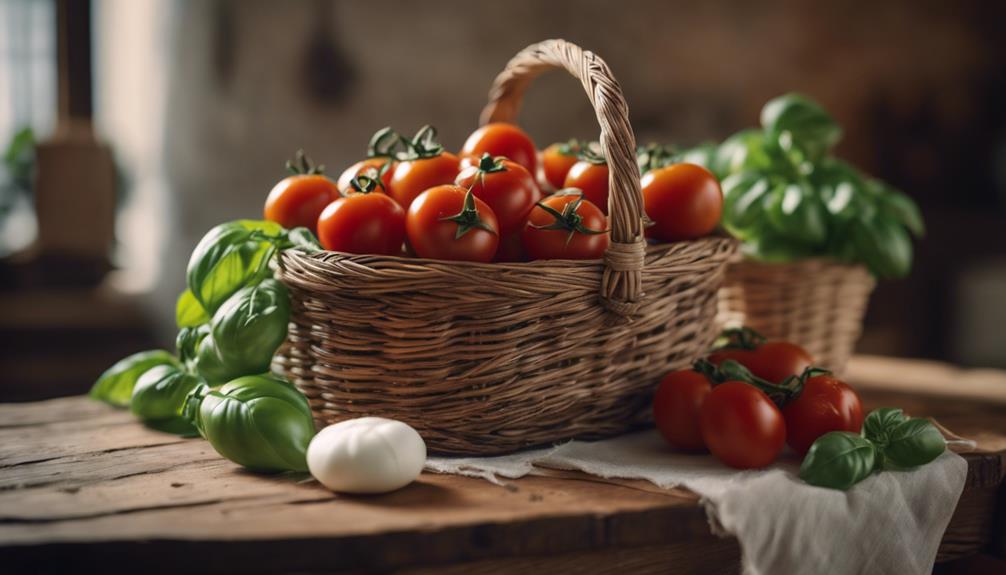
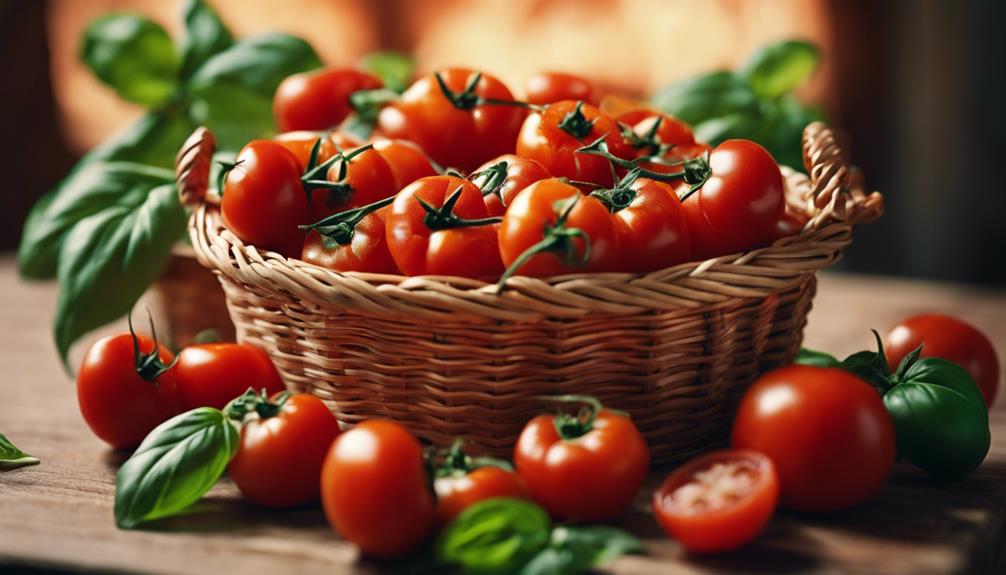
You'll discover the essence of a true Neapolitan pizza by selecting the finest San Marzano tomatoes, grown in the Campania region of Italy, where the rich volcanic soil and mild climate combine to create a sweet, low-acid tomato that's bursting with flavor.
To guarantee the best sauce, visit local tomato farms during harvest season to hand-pick the ripest tomatoes. Check for ripeness by gently tugging on the tomato; it should come off the vine easily.
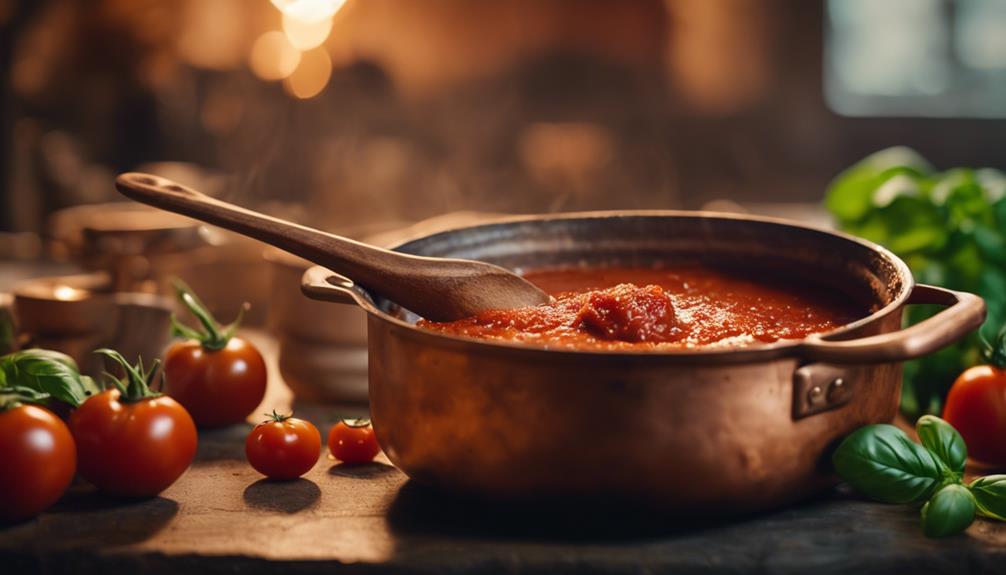
Crush the tomatoes by hand to release their natural oils and flavor. For the perfect sauce consistency, cook the tomatoes slowly over low heat, stirring occasionally, to reduce acidity levels.
Enhance the flavor with a pinch of salt and a drizzle of extra virgin olive oil. Regional varieties like Corbarino and Piennolo add unique flavor profiles to your sauce.
Fresh Mozzarella Cheese Traditions
As you venture into the world of traditional Neapolitan pizza, you'll discover the significance of fresh mozzarella cheese.
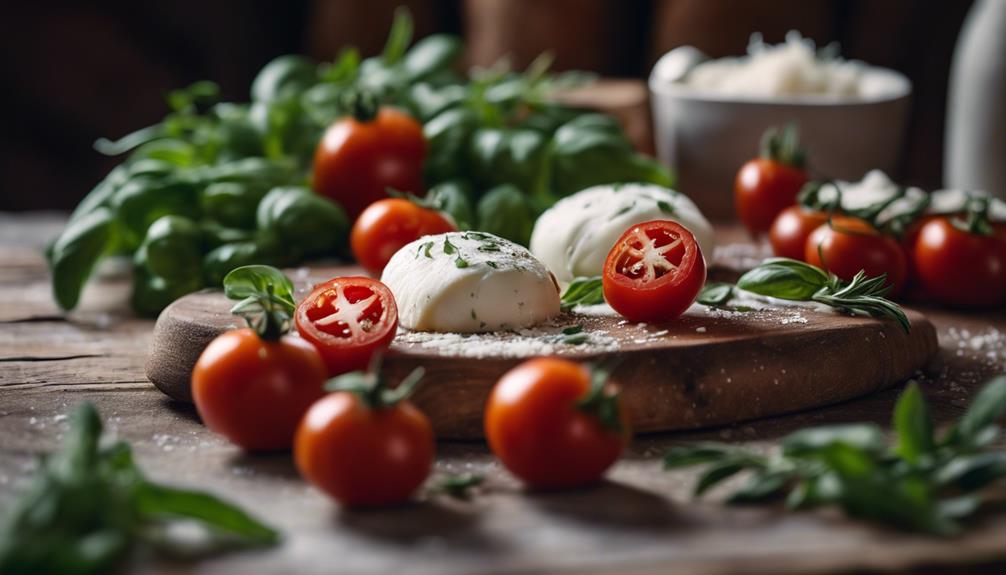
In the Campania region of Italy, where the art of traditional Neapolitan pizza-making was born, fresh mozzarella cheese is crafted from the milk of prized water buffalo, carefully selected to guarantee a rich, creamy flavor that perfectly complements the sweetness of San Marzano tomatoes.
The Mozzarella Origins date back to the 12th century, when monks in the Campania region first created this delicate cheese.
Over time, the art of mozzarella-making was refined, and today, it's a cherished tradition passed down through generations of Neapolitan cheesemakers.
The Cheese Culture is deeply rooted in the region's history and identity, with each ball of mozzarella carefully crafted to showcase the region's love for simplicity, quality, and tradition.
As you explore the world of Neapolitan pizza, you'll come to appreciate the importance of this delicate cheese.
Fresh mozzarella is the crowning glory of a traditional Neapolitan pizza, adding a touch of elegance and sophistication to this beloved dish.
Authentic Neapolitan Topping Combinations
Fresh from the creative canvas of Neapolitan pizzaiolos, authentic topping combinations await, where the simplicity of a few, carefully selected ingredients harmonizes in a culinary symphony that will leave you craving more.
As you explore the world of traditional Neapolitan pizza, you'll discover that the art of combining toppings is an intricate dance of flavors, textures, and aromas.
Topping harmony is key, and the Neapolitans have mastered this delicate balance.
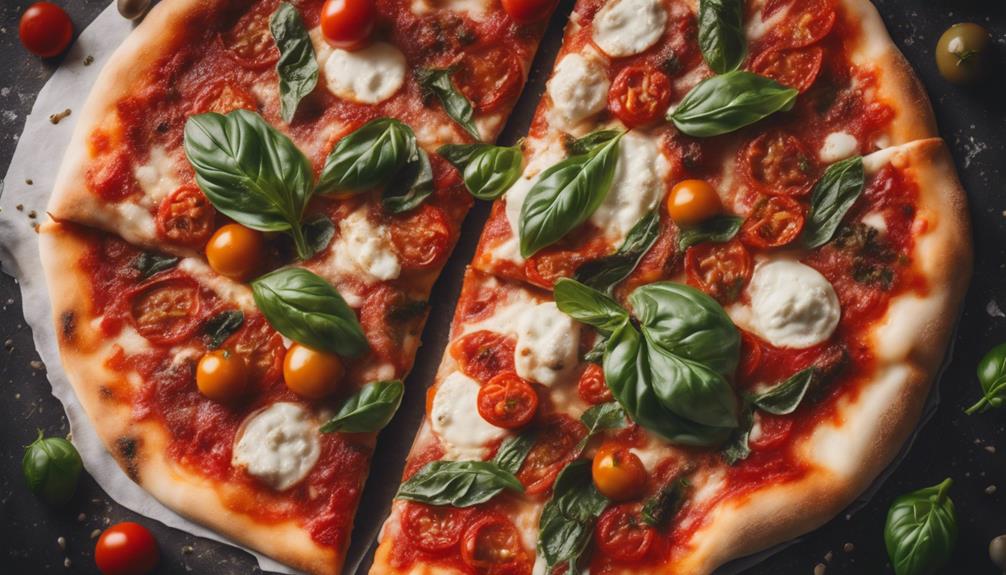
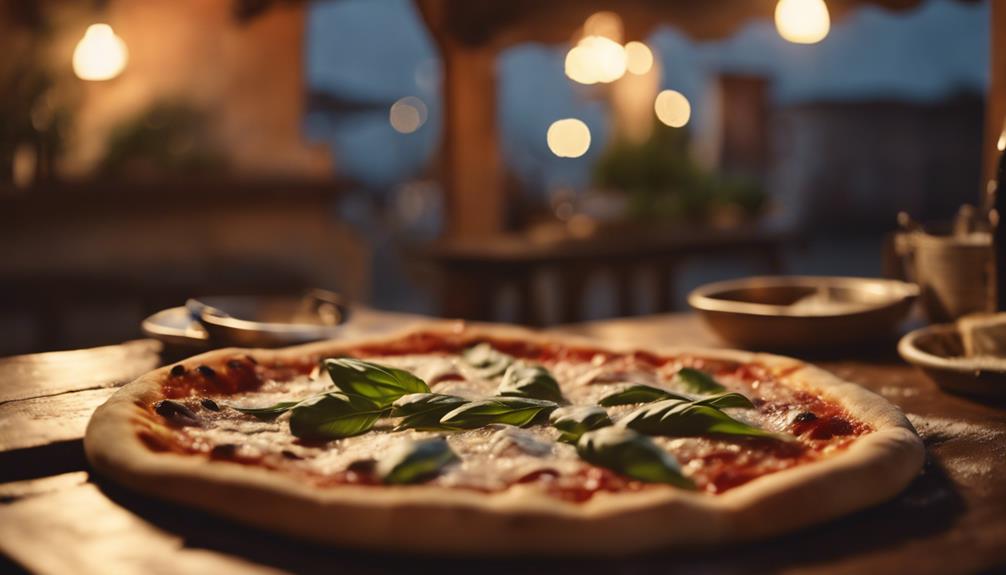
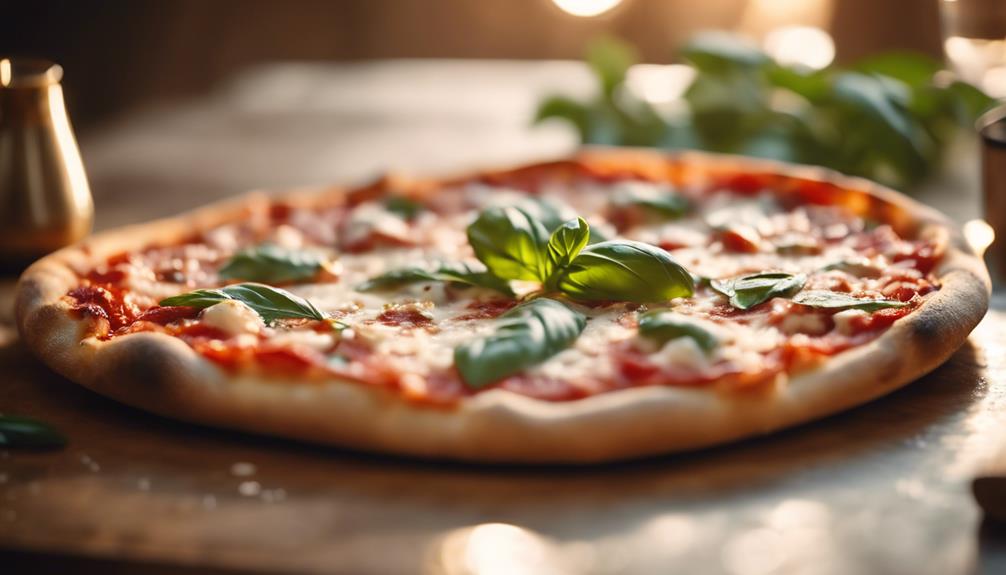
Classic combinations like San Marzano tomatoes, creamy mozzarella, and fragrant basil create a Flavor Profile that's both bold and refined.
The sweetness of the tomatoes is elevated by the richness of the mozzarella, while the basil adds a bright, herbaceous note that ties the entire dish together.
Another beloved combination is the Quattro Formaggi, where four distinct cheeses – mozzarella, parmesan, gorgonzola, and ricotta – meld together in a rich, creamy harmony.
As you experiment with these authentic Neapolitan topping combinations, you'll find that the simplicity of the ingredients belies a depth of flavor that will leave you wanting more.
Wood-Fired Oven Cooking Techniques
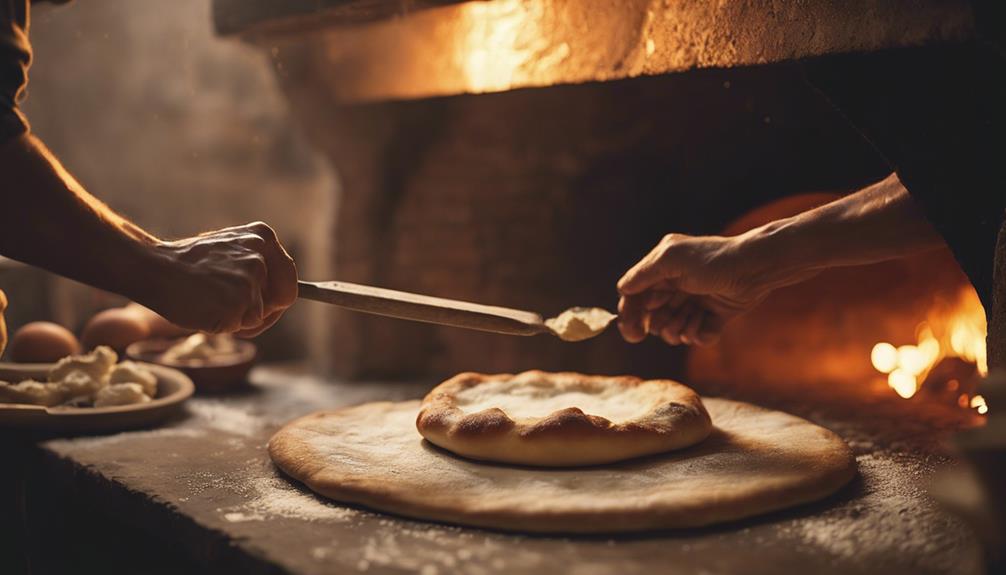
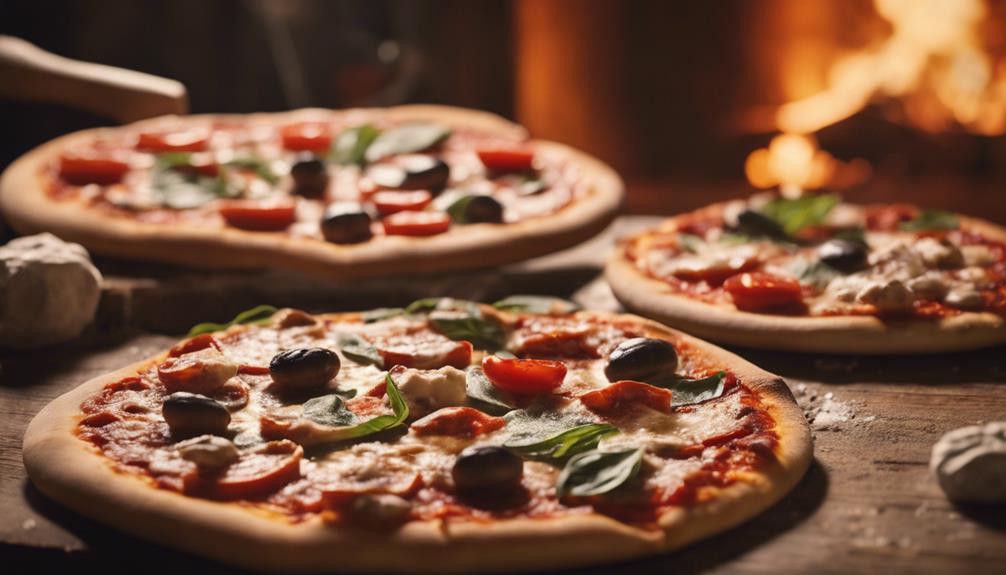
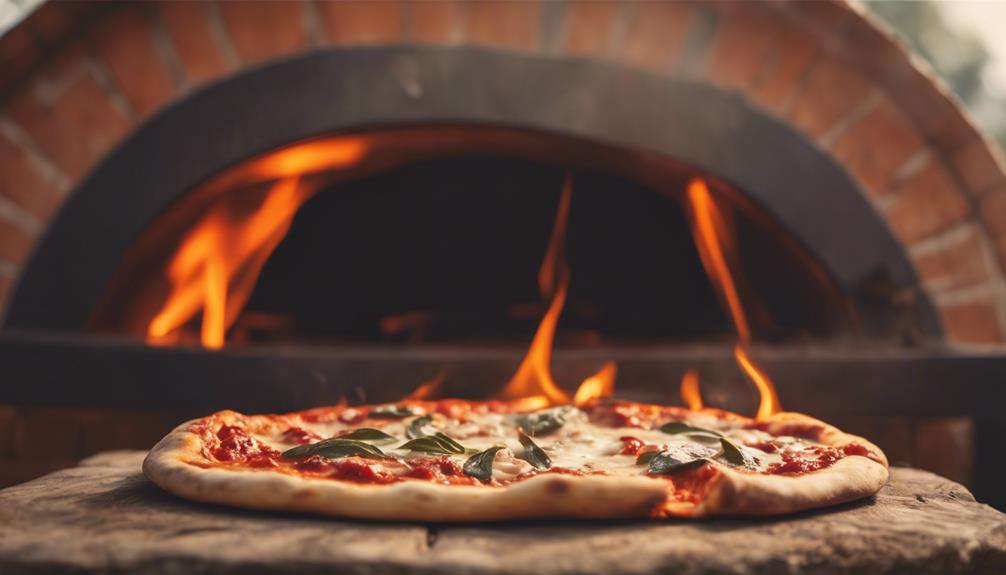
Step into the heart of a traditional Neapolitan pizzeria, and you're likely to find a wood-fired oven blazing at the center of the action. This ancient cooking technique is an art form, requiring skill, patience, and a deep understanding of flame dynamics and heat control. As you watch the pizzaiolo (pizza maker) expertly tend to the flames, you'll notice the deliberate dance between fuel, air, and temperature.
Some key takeaways to master the wood-fired oven:
Temperature control is key: A good pizzaiolo can adjust the oven temperature in mere minutes, achieving the perfect crisp crust and smoky flavor.
Flame dynamics matter: The way the flames lick the pizza stone affects the crust's texture and color.
Heat distribution is vital: A well-designed oven facilitates even heat distribution, cooking the pizza consistently from center to crust.
Timing is everything: A perfectly cooked Neapolitan pizza requires precise timing, with the pizzaiolo expertly juggling cooking time, temperature, and topping combinations.
As you venture into the world of wood-fired oven cooking, remember that practice, patience, and passion are essential to mastering this ancient art.
Traditional Neapolitan Pizza Varieties
You'll discover that traditional Neapolitan pizzerias typically offer a range of classic varieties, each showcasing the region's rich culinary heritage and creativity. These varieties are deeply rooted in Neapolitan Roots, reflecting the region's Pizza Heritage and Italian Traditions. From the classic Margherita to the more adventurous options, each pizza is a reflection of the region's Cultural Significance and Historical Origins.
These traditional Neapolitan pizza varieties you might encounter:
| Variety |
Description |
| Margherita |
Fresh tomatoes, mozzarella, and basil, symbolizing the Italian flag |
| Quattro Formaggi |
Four different types of cheese for a rich, creamy experience |
| Prosciutto e Funghi |
Thin slices of prosciutto and sautéed mushrooms for a savory delight |
These traditional varieties are more than just pizzas – they're an embodiment of the region's history, culture, and passion for good food. By trying these classic options, you'll gain a deeper appreciation for the art of Neapolitan pizza-making and the people who have perfected it over the years.
The Art of Pizza Topping Balance
Crafting the perfect Neapolitan pizza requires a delicate balance of toppings, as you carefully select ingredients that harmonize in flavor, texture, and visual appeal. It's an art that demands attention to detail and a deep understanding of how each component interacts with the others.
When you achieve topping harmony, the flavors meld together in perfect symphony, elevating each bite to a culinary experience.
Savory and sweet: Balance rich, savory flavors with sweet notes to create depth and complexity.
Texture play: Combine crispy, crunchy, and soft textures to add depth and visual appeal.
Flavor profiles: Pair bold, pungent flavors with bright, herbaceous notes to create a dynamic flavor experience.
Visual harmony: Arrange toppings to create visual balance and symmetry, making the pizza a feast for the eyes as well as the taste buds.
Fresh Basil and Oregano Flavors
As you aim to achieve the perfect balance of flavors, you'll find that fresh basil and oregano are two herbs that can elevate your Neapolitan pizza to new heights, adding a bright, pungent flavor that complements the richness of the sauce and the creaminess of the mozzarella.
When it comes to basil, timing is everything. Harvesting basil leaves at the peak of freshness guarantees a more vibrant, aromatic flavor. Simply pinch off flower buds as they form to encourage leaf growth and prevent the plant from going to seed.
For oregano, it's all about pairing it with complementary flavors. Try pairing it with sweet ingredients like caramelized onions or figs to balance out its pungency. Oregano's earthy flavor also pairs beautifully with the richness of prosciutto or the tanginess of goat cheese.
Neapolitan Pizza Crust Texture Guide
Achieving the perfect Neapolitan pizza crust texture requires a delicate balance of crunch, chew, and crispiness, which can be attained by mastering the art of dough manipulation and temperature control.
The secret to a truly authentic Neapolitan crust lies in the subtle nuances of crust hydration and crumb structure. When you get it just right, the crust will be crispy on the outside, giving way to a tender, airy interior that's simply divine.
Crust hydration: The ideal hydration level will yield a crust that's crispy, yet still pliable and tender.
Crumb structure: A well-developed crumb structure will provide the perfect balance of airiness and texture.
Temperature control: Mastering the art of temperature control will help you achieve that perfect golden crust.
Dough manipulation: Gentle, deliberate movements will help develop the gluten, giving your crust that signature Neapolitan snap.
Italian Olive Oil Flavors Profile
Explore the world of Italian olive oil flavors, where rich, velvety notes of green apple and herbaceous hints of rosemary await, ready to elevate your Neapolitan pizza to new heights.
As you venture into this world, you'll discover the nuances of Italian olive oil, with its complex flavor profile that's both bold and subtle.
From the fruity aromas of Tuscany to the peppery notes of Puglia, each region brings its unique character to the table.
You'll find that Italian olive oils are often described as having a 'fruitiness' that's reminiscent of ripe olives, with hints of artichoke, almond, and even a hint of bitterness.
The flavor profile complexity is unparalleled, with notes of herbs, spices, and even a hint of smokiness.
As you taste, you'll uncover the subtleties of each region, from the delicate flavors of Liguria to the robust oils of Calabria.
With Italian olive oil, you'll experience a depth of flavor that will transform your Neapolitan pizza, adding a richness and sophistication that will leave you wanting more.
The Importance of High-Quality Ingredients
With your palate now attuned to the nuances of Italian olive oil, it's time to examine the foundation upon which your Neapolitan pizza masterpiece is built: the quality of your ingredients, which will either elevate or undermine the entire culinary experience.
Exceptional ingredients are the cornerstone of authentic Neapolitan pizza. It's the difference between a mediocre pie and a transcendent one. The passion and dedication of Italian farmers, the rich soil, and the ideal climate all come together to create an unparalleled flavor profile.
Farmer partnerships direct relationships with local farmers guarantee the freshest, highest-quality produce, often harvested at dawn and on your pizza by lunchtime. This close collaboration allows for a level of quality control that enables farmers to hand-select the finest ingredients, which in turn, enable chefs to craft truly exceptional pizzas.
Seasonal sourcing by honoring the natural cycles of nature, you'll experience the vibrant flavors and textures that only seasonal ingredients can provide.
San Marzano tomatoes the protected designation of origin (PDO) guarantees the sweetness and acidity of these revered tomatoes, a staple of Neapolitan pizza.
Fresh mozzarella made from the milk of local water buffalo, this creamy cheese is the perfect complement to the bold flavors of your pizza.
Hand-Kneaded Dough Preparation Tips
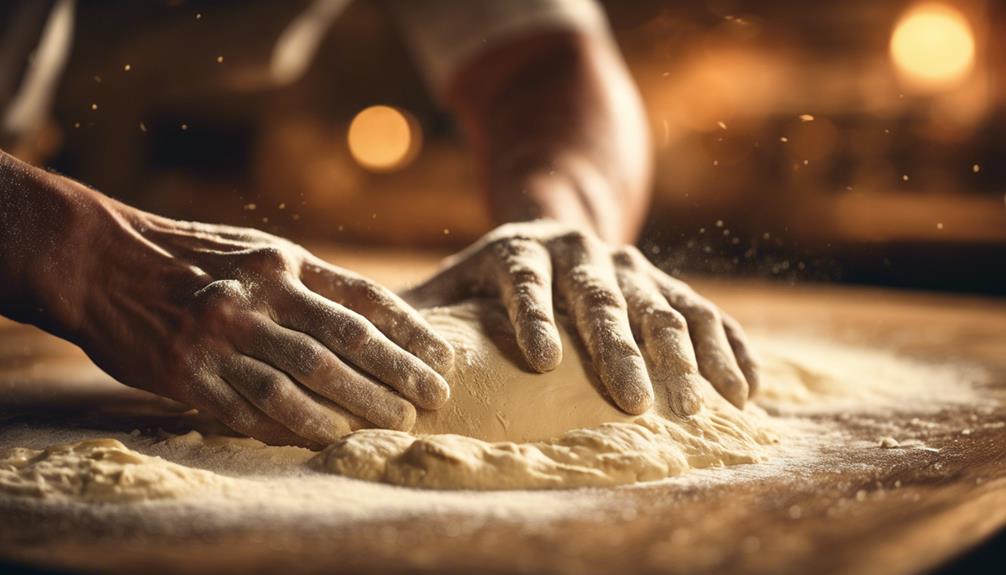
You'll need to dust off your hands and get ready to get physical, as hand-kneading is an essential step in developing the gluten structure that gives Neapolitan pizza its signature texture and chew.
This labor of love requires patience, persistence, and a gentle yet firm touch.
Start by combining your carefully selected flour (look for a high-protein flour, like Caputo or All-Purpose flour with a high protein content) with yeast, salt, and water in a mixing bowl.
Mix until the dough comes together in a shaggy mass, then it's time to get hands-on.
Knead the dough for 10-15 minutes, focusing on developing the gluten network that will give your crust its signature chew.
Don't overwork the dough, though – you want to coax out the gluten, not exhaust it.
After kneading, let the dough relax for 20-30 minutes to allow the gluten to relax, then shape and let it rise.
With practice and patience, you'll develop the skills to craft a truly authentic Neapolitan pizza crust.
Neapolitan Pizza Cooking Times Guide
As you've carefully crafted your dough, it's now time to perfect the cooking process, and that begins with mastering the art of timing, as a mere 90 seconds can make all the difference between a perfectly cooked Neapolitan pizza and a burnt, inedible disaster.
In a traditional Neapolitan pizza oven, the key to achieving that perfect crust is all about heat distribution and temperature control. With the right cooking techniques, you'll be on your way to creating a culinary masterpiece.
Temperature matters: Aim for a scorching 500°F (260°C) to achieve that signature crispy crust.
Cooking speed is vital: A Neapolitan pizza should cook in just 90-120 seconds, so be prepared to move quickly!
Pizza stones are a must: These stones absorb moisture and distribute heat evenly, ensuring a perfectly cooked crust.
Crust color is everything: Aim for a golden crust with a slight char – it's the hallmark of a truly Neapolitan pizza.
Preserving Traditional Italian Flavors
In the pursuit of authenticity, you're tasked with preserving the bold, vibrant flavors that define traditional Neapolitan pizza, and it all starts with the careful selection of high-quality ingredients. To honor the rich Italian heritage of this beloved dish, you must choose ingredients that not only taste exceptional but also resonate with the cultural significance of this culinary tradition.
| Ingredient |
Flavor Profile |
Italian Heritage |
| San Marzano Tomatoes |
Sweet, tangy, and slightly acidic |
Grown in the Campania region, these tomatoes are a staple in Neapolitan cuisine |
| Fresh Mozzarella |
Creamy, milky, and smooth |
Originating from Campania, this cheese is a cornerstone of Italian dairy |
| Extra-Virgin Olive Oil |
Fruity, peppery, and rich |
A staple in Italian cooking, this oil enhances the flavors of your pizza |
| Fresh Basil |
Bright, herbaceous, and slightly spicy |
A symbol of Italian culture, basil adds a pop of color and flavor |
| Capers |
Salty, tangy, and slightly sour |
A classic Neapolitan topping, capers add depth to your pizza |
Regional Neapolitan Pizza Styles
Beyond the foundation of high-quality ingredients, regional variations of Neapolitan pizza emerge, each with its own unique character, shaped by the distinct cultural and geographical nuances of Italy's diverse regions.
As you explore the world of Neapolitan pizza, you'll discover that each region brings its own twists and flavors to the table.
The coastal regions of Campania and Amalfi infuse their pizzas with fresh seafood and zesty lemons, reflecting the Mediterranean diet's emphasis on freshness and simplicity.
In the northern regions of Lombardy and Piedmont, rich truffle oils and creamy cheeses add an air of luxury and sophistication to the pizzas.
The central regions of Tuscany and Umbria incorporate earthy, herbaceous notes from locally-sourced olive oils and fragrant herbs, evoking the rolling hills and vineyards of the countryside.
Meanwhile, the southern regions of Puglia and Calabria draw upon their rich cultural heritage, blending spicy peppers and sun-dried tomatoes to create bold, vibrant flavors.
These regional styles are woven from the threads of local history, cultural influences, and geographical conditions, making each pizza a delicious reflection of its place of origin.
Frequently Asked Questions
Can I Use a Mixer to Knead Neapolitan Pizza Dough Instead of Hand-Kneading?
When you use a mixer to knead Neapolitan pizza dough, be cautious not to overmix, killing your yeast activation; instead, use a gentle, short mix, then finish by hand to preserve the delicate balance.
Are There Any Alternatives to San Marzano Tomatoes for the Sauce?
"A million flavor possibilities await you! When San Marzano tomatoes aren't an option, explore alternative tomato substitutes that complement your desired flavor profiles, like sweet and tangy cherry tomatoes or rich, earthy heirloom varieties."
How Do I Prevent the Crust From Becoming Too Crispy or Burnt?
"To achieve perfect crust control, you'll want to master oven calibration. Make sure your oven is at the right temp, then monitor the crust's progress to prevent it from becoming too crispy or burnt – you got this!"
Can I Use Low-Moisture Mozzarella Instead of Fresh Mozzarella?
"Slip into a world of creamy delights! You can use low-moisture mozzarella, but it won't melt as beautifully as fresh mozzarella, and blending with other cheeses might be tricky, affecting the rich, velvety texture you crave."
Do I Need to Cook the Pizza in a Wood-Fired Oven for Authenticity?
"You don't need a wood-fired oven, but you do need to replicate its intense heat – aim for an oven temperature of 500°F (260°C) with a cooking time of 10-12 minutes for that perfect Neapolitan crust."
Conclusion
As you master the art of traditional Neapolitan pizza making, you'll find that it's not just about combining ingredients, but about honoring the rich heritage of Italian cuisine.
Will you settle for a mediocre pie, or will you aspire for perfection, just as the Neapolitan pizzaiolos have for centuries?
By embracing the authentic techniques and ingredients, you'll discover the true essence of this beloved Italian classic, and every bite will transport you to the sun-kissed streets of Naples.

by Pizzeria | May 18, 2024 | Classic Italian Pizza Recipes
You might be surprised to learn that the original Neapolitan pizza recipe, as recognized by the European Union, is protected by a designation of origin, just like Champagne and Parmigiano-Reggiano. This means that authentic Neapolitan pizzas must adhere to traditional methods and ingredients, ensuring a distinctive flavor profile that's deeply rooted in the Campania region's cultural heritage. But what makes these traditional recipes so essential to the essence of Neapolitan pizza? As you explore the intricacies of San Marzano tomatoes, hand-kneaded dough, and fresh mozzarella, you'll discover the subtle nuances that elevate this beloved dish from ordinary to extraordinary.
Key Takeaways
• Authentic Neapolitan pizza recipes preserve cultural heritage and traditional techniques, ensuring a genuine culinary experience.
• High-quality ingredients, like San Marzano tomatoes and fresh mozzarella, elevate the flavor profile and texture of Neapolitan pizza.
• Hand-kneaded dough and wood-fired ovens are essential to creating the perfect crust, which is crispy on the outside and soft on the inside.
• Family recipes and traditions are safeguarded, perpetuating a legacy that honors the past while innovating for the future.
• The art of Neapolitan pizza-making is a celebration of rustic simplicity, connection to the land, and the rich flavors of the Italian countryside.
Flavors of the Italian Countryside
As you wander through the rolling hills and picturesque villages of the Italian countryside, the aromas of freshly baked bread, ripening tomatoes, and fragrant olive oil transport you to a world of rustic simplicity and rich flavors.
The rustic landscapes, with their sun-kissed hills and ancient olive groves, evoke a sense of tranquility and connection to the land.
In the village markets, you're surrounded by the colors and scents of fresh produce, artisanal cheeses, and handcrafted goods.
The countryside charm is palpable, a reflection of the region's rich rural heritage.
Every bite, every sip, and every sensory experience is infused with the essence of this enchanting land.
The flavors of the Italian countryside are a symphony of simplicity, where each ingredient shines in harmony with the others.
As you explore deeper into this world, you'll discover the authentic essence of Neapolitan cuisine, where tradition meets passion, and every bite is a love letter to the land that inspires it.
Preserving Traditional Neapolitan Techniques
By embracing the time-honored methods of their ancestors, Neapolitan pizzaiolos (pizza makers) guarantee that every pie that emerges from their wood-fired ovens is a tribute to the region's rich cultural heritage.
You, too, can be a part of this culinary tradition by preserving traditional Neapolitan techniques. It's about honoring the past while serving up a delicious slice of history.
When you choose to follow traditional methods, you're not only respecting the culinary heritage of Naples, but you're also ensuring that the cultural significance of this beloved dish is preserved for generations to come.
From the gentle kneading of the dough to the delicate balance of toppings, every step is a reflection of the region's rich history.
By committing to traditional techniques, you're helping to safeguard the authenticity of Neapolitan pizza, and that's something to be proud of.
Importance of San Marzano Tomatoes
You'll elevate your Neapolitan pizza game by using San Marzano tomatoes, a variety that's been prized for centuries for its sweet-tart flavor and low acidity.
This tomato's rich history dates back to the 18th century, when it was first cultivated in the Campania region of Italy. The unique combination of the region's soil quality, crop rotation, and farming practices contributes to the San Marzano's distinct flavor profile.
Compared to other tomato varieties, San Marzano tomatoes have a naturally lower acidic content, making them the perfect choice for Neapolitan pizzas.
The regional pride surrounding San Marzano tomatoes is palpable, with local farmers taking great care to preserve traditional farming practices. By choosing San Marzano tomatoes, you're not only ensuring an authentic Neapolitan pizza experience but also supporting the local community that's dedicated to preserving this culinary heritage.
With San Marzano tomatoes, you'll discover the true essence of Neapolitan pizza, transporting your taste buds to the sun-kissed hills of Campania.
The Art of Hand-Kneaded Dough
Mastering the art of hand-kneaded dough is a labor of love that requires patience, persistence, and a willingness to develop a tactile connection with the ingredients.
As you work the dough, you'll start to understand the nuances of yeast management, coaxing the fermentation process to create a tender, airy crust. It's a dance of sorts, where you gently guide the dough towards its full potential.
As you knead, you'll notice the dough begin to relax, its gluten strands unwinding, allowing the dough to become pliable and receptive to shaping.
This dough relaxation is essential, as it sets the stage for a crust that's both crispy and delicate. Remember, the goal is to create a harmonious balance between crust, sauce, and cheese.
With each fold and turn, you're building a relationship with the dough, understanding its rhythms and moods.
The end result? A crust that's nothing short of transcendent – crispy, chewy, and utterly addictive.
Fresh Mozzarella's Creamy Difference
Fresh mozzarella's creamy richness is the perfect counterpoint to the crispy, chewy crust, and you must get it just right to elevate your Neapolitan pizza to new heights.
The velvety texture of fresh mozzarella is a game-changer, adding a luxurious dimension to your pizza.
But it's not just about slapping on some mozzarella – the art of cheese craft comes into play here. You need to coax out the perfect balance of creaminess and firmness, so the cheese melts beautifully without becoming too runny or too dry.
The ideal mozzarella texture is firm enough to hold its shape, yet yielding to the bite.
Achieving this perfect balance requires a deep understanding of the cheese-making process, as well as a commitment to using only the freshest, highest-quality ingredients.
The Role of Extra Virgin Olive Oil
As you perfect the creamy richness of fresh mozzarella, it's time to turn your attention to the unsung hero of Neapolitan pizza: the rich, peppery flavor of extra virgin olive oil, which adds a depth and complexity that elevates your pizza to new heights.
You'll be amazed at how this humble ingredient transforms your pizza, balancing the bright acidity of the tomatoes and the richness of the mozzarella.
But olive oil is more than just a flavor enhancer – it's also a powerhouse of health benefits.
Rich in antioxidants and healthy fats, extra virgin olive oil supports heart health and may even help reduce inflammation.
When choosing an olive oil, look for a high-quality, cold-pressed option to guarantee you're getting the best flavor and nutrition.
Don't be shy with the drizzle, either – a generous pour will reward you with a pizza that's both nourishing and delicious.
With extra virgin olive oil, you'll be treating your taste buds and your body to a culinary delight.
Authentic Toppings for Authentic Flavor
When it comes to crafting an authentic Neapolitan pizza, the toppings you choose can make all the difference, and it's time to explore the world of traditional ingredients that will transport your taste buds to the sun-kissed hills of Naples.
You'll want to ditch those generic toppings and instead opt for local, farm-fresh ingredients that burst with flavor.
Think artisanal meats, like prosciutto di Parma or guanciale, which add a salty, savory depth to your pie.
Spice blends, like oregano and basil, will transport you to the Mediterranean coast.
And don't even get us started on the magic of fresh, high-quality mozzarella – it's the perfect complement to those rich, bold flavors.
Innovative topping combinations can elevate your pizza game, but don't be afraid to keep it simple.
A classic margherita, with its perfect balance of tangy tomato sauce, creamy mozzarella, and bright, herbaceous basil, is still one of the most iconic – and delicious – combinations out there.
Wood-Fired Oven's Impact on Flavor
You'll tap into the true essence of Neapolitan pizza by harnessing the transformative power of a wood-fired oven, which infuses every pie with a depth of flavor that's simply impossible to replicate with conventional cooking methods.
The secret lies in the unique combination of heat distribution, fuel efficiency, and smoke profile that only a wood-fired oven can provide.
As you master the art of firing techniques, you'll coax out the perfect balance of ash flavor and caramelized crust.
But it's not just about the cooking process – proper oven maintenance is vital to guarantee peak performance.
A well-maintained oven will reward you with a consistent burn time, precise flame control, and exceptional heat retention.
The result? A cooking speed that's nothing short of miraculous, with pies emerging golden and bubbly in a matter of minutes.
Simplicity in Neapolitan Pizza Design
Two essential ingredients and a handful of fresh toppings are all that stand between you and an authentic Neapolitan pizza that embodies the very essence of simplicity and flavor.
This isn't about piling on toppings to create a chaotic mess; it's about letting each ingredient shine.
A traditional Neapolitan pizza is a masterclass in restraint, with a clean canvas of dough, sauce, and mozzarella serving as the foundation.
This simplicity allows the natural flavors of each ingredient to take center stage, creating a harmonious flavor profile that's both bold and nuanced.
By keeping things simple, you allow the quality of each component to shine, rather than masking it with an overabundance of toppings.
This is where the magic happens – where the simplicity of the design allows the true essence of the ingredients to shine through.
The Significance of Historical Roots
As you explore the world of Neapolitan pizza, it's impossible to ignore the profound impact of its rich historical roots, which have cultivated a culinary tradition that's both timeless and treasured. You can almost taste the passion and dedication that's been passed down through generations of Neapolitan pizzaiolos (pizza makers). The cultural heritage of this beloved dish is palpable, and it's what sets authentic Neapolitan pizza apart from its modern imitations.
Historical roots shape the essence of Neapolitan pizza in several ways:
Family legacy: Recipes are often passed down from generation to generation, with each family adding their own twist while maintaining traditional techniques.
Centuries-old techniques: Wood-fired ovens, hand-kneaded dough, and fresh ingredients are just a few of the time-honored methods that have been refined over the centuries.
Regional pride: Neapolitan pizza is deeply rooted in the Campania region, where the soil, climate, and culture all come together to create a unique flavor profile.
Unwavering tradition: From the type of flour used to the way the pies are shaped, every detail is meticulously preserved to honor the ancestors who pioneered this culinary art form.
Preserving Family Recipes and Traditions
By safeguarding cherished family recipes and traditions, Neapolitan pizzaiolos guarantee the integrity of their craft, perpetuating a legacy that's as much about honoring the past as it's about innovating for the future.
You see, these family recipes are more than just a list of ingredients and instructions – they're cultural heirlooms, passed down through generations, carrying the love, sweat, and tears of your ancestors. They're a connection to your heritage, a thread that weaves together your past, present, and future.
As you hold onto these family recipes, you're not just preserving a cultural legacy, you're keeping alive the memories, stories, and traditions that make your family who you are.
You're ensuring that the next generation can taste the love and care that goes into every handmade pie, every delicate crust, and every flavorful sauce.
Traditional Cooking Methods Matter
When you commit to traditional cooking methods, you're not just following a recipe – you're honoring the time-honored techniques that have been perfected over generations of Neapolitan pizzaiolos. You're not just cooking a meal, you're preserving a piece of culinary heritage. By embracing traditional cooking methods, you're ensuring that the family legacy of Neapolitan pizza-making continues to thrive.
Traditional cooking methods bring authenticity to your pizza in several ways:
Wood-fired ovens impart intense heat and smoky flavor that are unmistakable.
Hand-kneaded dough provides a tactile connection to the ingredients and the process, which is essential.
Slow-cooked sauces offer depth of flavor and richness that comes from simmering for hours, which is unbeatable.
Fresh, high-quality ingredients showcase simplicity and elegance in every bite, using only the best ingredients.
The Flavor of Fresh Basil Leaves
What sets Neapolitan pizza apart from its imitators is the unmistakable freshness and subtlety that only a sprinkle of freshly picked basil leaves can provide. You can't replicate the essence of Italy with dried-out, pre-packaged herbs. Fresh basil is the crowning glory of an authentic Neapolitan pizza, and its flavor profile is deeply connected to its nutritional benefits and unique leaf structure.
| Basil Nutrition |
Leaf Structure |
Flavor Profile |
| Rich in Vitamins A, C, and K |
Delicate, tender leaves |
Bright, herbaceous |
| High in Antioxidants |
Waxy, glossy surface |
Subtly sweet, slightly spicy |
| Anti-Inflammatory properties |
Soft, velvety texture |
Fresh, green aroma |
| Supports Digestive Health |
Elongated, pointed shape |
Balanced, slightly bitter |
| Natural Stress Relief |
Stems and leaves used |
Elevates pizza flavors |
As you savor a slice of authentic Neapolitan pizza, the freshness of the basil leaves transports you to the sun-kissed hills of Italy. The flavor is more than just a topping – it's an experience that awakens your senses and connects you to the rich culinary heritage of Naples.
The Neapolitan Pizza Making Process
With fresh basil leaves adding their unmistakable flavor to your pizza, it's time to master the art of Neapolitan pizza making, a process that requires precision, patience, and a deep understanding of traditional techniques.
As you set out on this culinary journey, you'll need to develop your Pizzaiolo skills, honing your ability to craft the perfect dough. This means allowing for Dough relaxation, giving your mixture the time it needs to rest and rise.
Dough preparation: Mixing and kneading the dough to create a smooth, elastic texture.
Dough fermentation: Allowing the dough to rest and rise, developing its unique flavor and aroma.
Shaping and topping: Crafting the perfect circle, adding fresh toppings, and finishing with a drizzle of olive oil.
Wood-fired cooking: Cooking your pizza in a wood-fired oven, achieving that signature crispy crust and smoky flavor.
Respect for the Classics
You owe it to the pioneers of Neapolitan pizza to master the quintessential classics, from the simplicity of Pizza Marinara to the richness of Pizza Margherita.
These iconic pies are the foundation of Neapolitan culinary heritage, and it is crucial to respect their timeless quality.
By honoring these traditional recipes, you're not only paying homage to the past but also ensuring the preservation of a culinary legacy.
When you take the time to perfect the classics, you're guaranteeing that the essence of Neapolitan pizza is passed down to future generations.
The beauty lies in the nuances – the delicate balance of flavors, the subtle texture of the crust, and the simplicity of the toppings.
It's about embracing the authenticity of the craft, rather than trying to reinvent the wheel.
By doing so, you'll be contributing to the rich tapestry of Neapolitan pizza, weaving your own thread of tradition and innovation.
Frequently Asked Questions
Can I Use a Home Oven to Replicate Neapolitan Pizza?
"You can replicate Neapolitan pizza at home, but it requires an oven conversion to achieve that signature crust. Focus on dough adaptation, using a high-moisture flour and gentle mixing to create a tender, slightly charred base that'll transport you to Naples."
Are All San Marzano Tomatoes Created Equal in Quality?
You're about to discover that not all San Marzano tomatoes are created equal in quality. Tomato farming techniques and flavor profiles vary, so you must select a reputable brand that preserves the authentic taste.
Can I Substitute Other Cheeses for Fresh Mozzarella?
"Ah, the Mozzarella Myth: you think you can swap in other cheeses, but trust us, you'll be sacrificing the creamy soul of your pie. Embrace the Cheese Culture, and let fresh mozzarella's richness shine – it's worth the authenticity!"
How Long Does It Take to Master Neapolitan Pizza Making?
You'll master Neapolitan pizza making when you practice patience, dedicating time to skill development. Expect a journey of 6-12 months, with daily practice, to refine your technique and discover the secrets of this ancient art.
Are Neapolitan Pizzas Always Cooked in Wood-Fired Ovens?
"Can you truly replicate the essence of Neapolitan pizza without a wood-fired oven? You're Fired Up about tradition, but let's bust the Oven Mythbusters: while traditional, wood-fired ovens aren't the only way to cook authentic Neapolitan pizzas, but they surely elevate the experience!"
Conclusion
As you take a bite of authentic Neapolitan pizza, the flavors explode on your palate like a symphony of Italian countryside notes.
You're not just savoring a meal, you're experiencing a cultural heritage that's been passed down through generations.
By embracing traditional techniques and ingredients, Neapolitan pizzaiolos preserve the essence of their region, connecting you to the land and its people with every delicious bite.
Savor the authenticity, and let the true taste of Naples transport you to the sun-kissed hills of Italy.

by Pizzeria | May 17, 2024 | Classic Italian Pizza Recipes
As you explore the rich flavors of Italy, you're about to discover three authentic Neapolitan pizza recipes that will transport you to the heart of Naples. You'll learn the secrets behind the classic Margherita, the harmonious balance of Quattro Formaggi, and the savory simplicity of Prosciutto. But before we delve into the recipes, take a moment to imagine the aroma of freshly baked crust, the tang of creamy cheese, and the sweetness of San Marzano tomatoes. Are you ready to taste the authentic flavors of Italy?
Key Takeaways
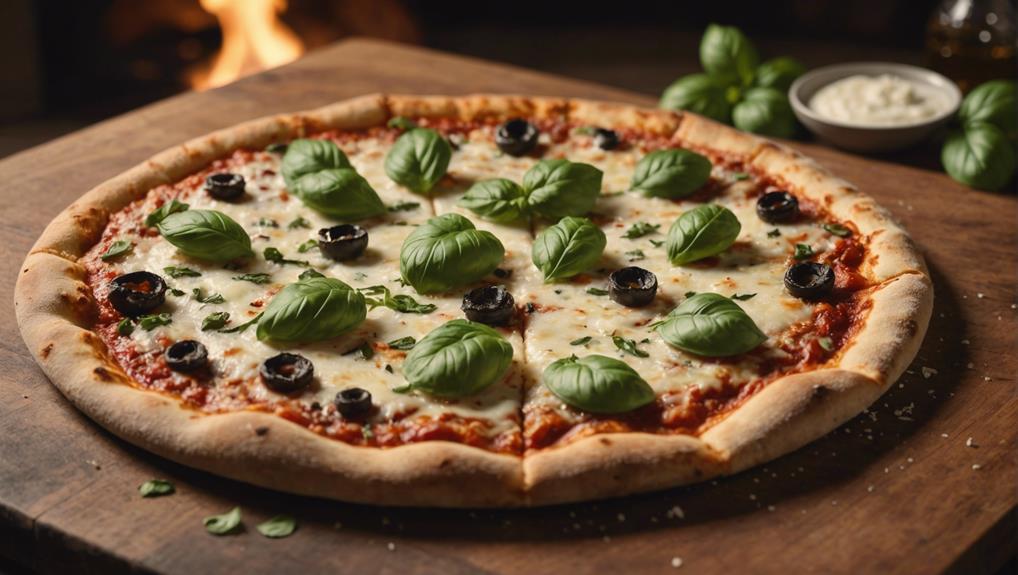
• The traditional Neapolitan Margherita Pizza features fresh mozzarella, San Marzano tomatoes, and fresh basil, symbolizing the Italian flag.
• Authentic Quattro Formaggi Pizza combines four distinct Italian cheeses, including Gorgonzola, Parmigiano-Reggiano, Mozzarella, and Ricotta, in perfect harmony.
• The Classic Neapolitan Prosciutto Pizza masterfully pairs salty prosciutto di Parma with sweet caramelized onions and creamy Mozzarella.
• Neapolitan pizzas typically have a crispy crust on the outside and a soft interior, providing a perfect canvas for delicate flavor combinations.
• These authentic Neapolitan pizza recipes showcase the simplicity, quality, and rich heritage of Italian cuisine.
Traditional Neapolitan Margherita Pizza
As you venture into the world of Neapolitan pizza, you'll find that the quintessential Traditional Neapolitan Margherita Pizza is a masterclass in simplicity, boasting a delicate harmony of flavors and textures that have captivated palates for centuries.
This pizza's origins date back to 1889, when Queen Margherita of Savoy visited Naples, Italy, and a local pizzaiolo (pizza maker) created a pizza resembling the Italian flag. The result was a culinary masterpiece that has endured for generations.
With fresh toppings like creamy mozzarella, sweet San Marzano tomatoes, and fragrant fresh basil, each bite transports you to the sun-kissed streets of Naples.
The crust, crispy on the outside and soft within, provides a perfect canvas for the delicate interplay of flavors. You'll discover that the beauty of this pizza lies in its restraint, allowing each ingredient to shine without overpowering the others.
As you take your first bite, you'll understand why this pizza has become an iconic symbol of Neapolitan cuisine, and why it continues to inspire pizzaiolos around the world.
Authentic Quattro Formaggi Pizza Recipe
Venturing beyond the classic Margherita, you'll now explore the rich, velvety world of Quattro Formaggi, where four distinct cheeses converge in perfect harmony.
This iconic Neapolitan pizza style is a love letter to Italy's rich cheese heritage, showcasing the diversity of its dairy delights.
You'll combine the creamy richness of Gorgonzola, the tangy bite of Parmigiano-Reggiano, the smoothness of Mozzarella, and the subtle sweetness of Ricotta.
Each cheese variety brings its unique flavor profile to the table, crafting a symphony of textures and tastes that will leave you enchanted.
As you assemble this gastronomic masterpiece, remember to balance the bold flavors, allowing each cheese to shine.
A light drizzle of extra virgin olive oil and a sprinkle of fresh parsley will add a touch of elegance to this indulgent treat.
With every bite, you'll experience the authentic essence of Italy, where the art of cheese-making meets the passion for pizza.
Savor the harmony of Quattro Formaggi, and let the rich flavors transport you to the sun-kissed hills of Campania.
Classic Neapolitan Prosciutto Pizza
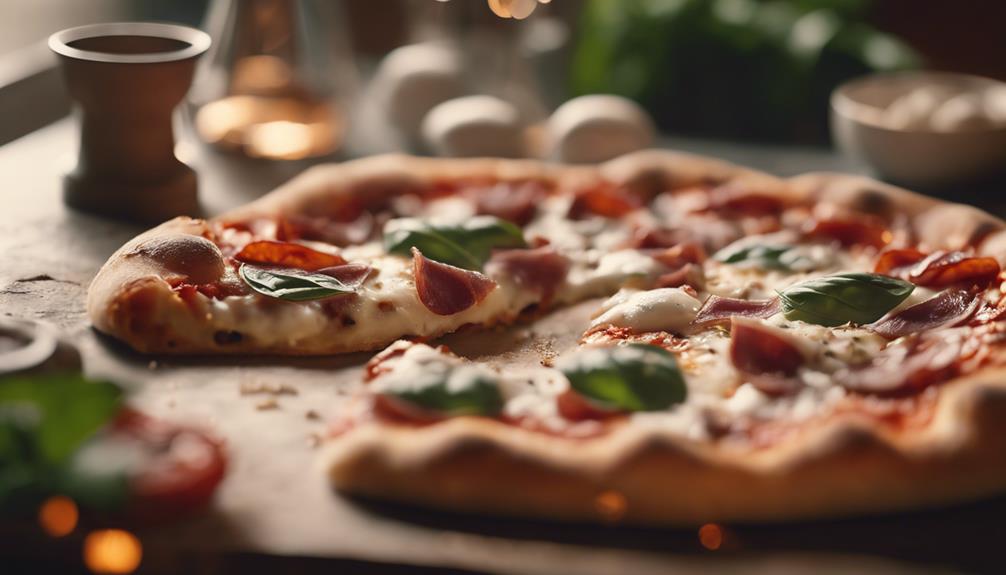
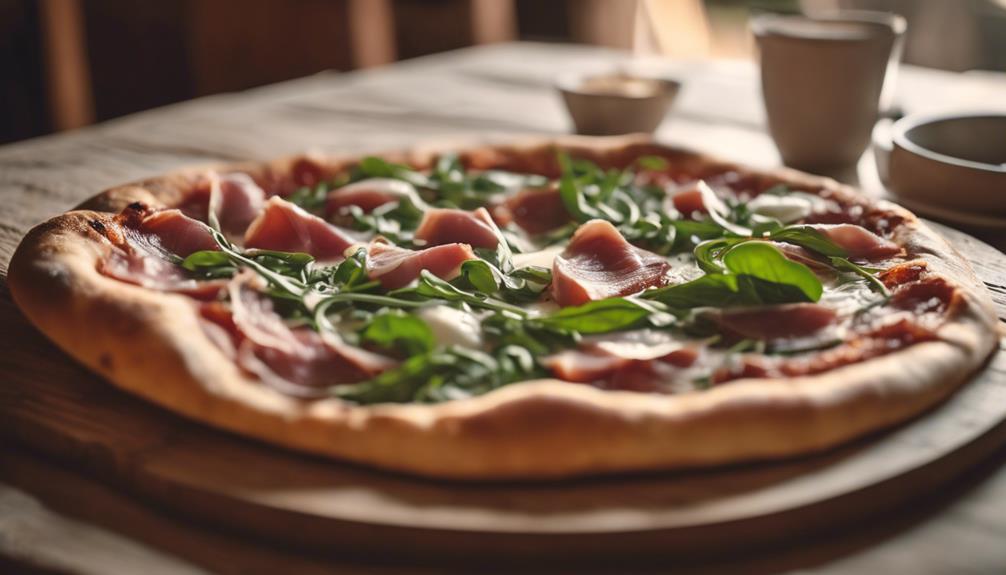
You'll elevate your pizza game with the Classic Neapolitan Prosciutto Pizza, a masterclass in simplicity, where the salty, savory essence of thin slices of prosciutto di Parma harmonizes with the sweetness of caramelized onions and the subtle tang of creamy Mozzarella.
This iconic combination is rooted in Italian heritage, where the art of curing meats has been perfected over centuries. The delicate balance of flavors is a tribute to the Neapolitan tradition of simplicity and quality.
To fully experience this culinary masterpiece, follow these essential steps:
- Select high-quality prosciutto: Opt for a premium, thinly sliced prosciutto di Parma, cured to perfection using traditional methods.
- Caramelize onions to perfection: Slow-cook onions until they're sweet and golden, adding a depth of flavor to your pizza.
- Balance flavors with Mozzarella: Combine the salty prosciutto with creamy Mozzarella, allowing each bite to melt in harmony.
- Respect the simplicity: Resist the urge to over-accessorize – the beauty of this pizza lies in its elegant simplicity.
Frequently Asked Questions
Can I Use a Home Oven to Replicate a Wood-Fired Pizza?
You can replicate wood-fired pizza at home by modifying your oven with a pizza stone, calibrating temperature to 500°F, and mastering cooking techniques like rapid cooking times and gentle crust rotation.
What's the Ideal Temperature for Cooking Neapolitan-Style Pizza?
'You'll want to preheat your oven to its highest temperature setting, around 550°F, with a pizza stone inside to mimic the wood-fired effect; verify accurate oven calibration for a perfectly cooked Neapolitan-style pizza.'
Can I Substitute All-Purpose Flour With Bread Flour?
When substituting all-purpose flour with bread flour, you'll notice a denser crust due to bread flour's higher protein content and finer milling process, affecting the delicate flour ratio in your Neapolitan-style dough.
How Do I Achieve the Perfect Pizza Crust Crispiness?
"Ah, the elusive perfect crust! You'll get there, dear pizzaiolo, when you master crust relaxation, allowing the dough to unwind its tension, and gentle dough stretching, coaxing it into a delicate, crispy surrender."
Can I Make Neapolitan Pizza Dough Ahead of Time?
You can prep your Neapolitan pizza dough ahead of time, but don't skip the essential dough rest time, which allows yeast activation and fermentation to occur, resulting in a crispy crust and airy interior.
Conclusion
As you savor the last bite of your handmade Neapolitan pizza, remember that you're part of a rich culinary tradition – one that's been passed down through generations of Italian pizzaiolos.
In fact, did you know that over 5 million Neapolitan pizzas are devoured daily in Naples alone?
That's a lot of love and passion poured into every pie.
Now, go forth and spread the love, one perfectly cooked crust at a time!
by Pizzeria | May 16, 2024 | Classic Italian Pizza Recipes
You're about to venture on a culinary journey to uncover the essence of a true Neapolitan pizza. It's not just a matter of tossing some ingredients together; rather, it's an art form that requires adherence to traditional methods and careful selection of high-quality, regionally sourced ingredients. From the type of flour used to the precise fermentation process, every detail counts. But what exactly sets an authentic Neapolitan pizza apart from its imitators? As you explore the world of traditional Neapolitan pizza, you'll discover the subtle nuances that elevate this beloved dish to an art form – but first, let's start with the foundation.
Key Takeaways
• Authentic Neapolitan pizza originates from Naples, Italy, with a rich history and cultural significance.
• Regional ingredients, including Caputo flour, fresh mozzarella di bufala, and San Marzano tomatoes, are essential to the recipe.
• Fresh basil and oregano are crucial herbs, while proper cheese aging and natural yeast fermentation are vital processes.
• A wood-fired oven cooks the pizza at high temperatures (500°C) for 90-120 seconds, yielding a soft, chewy crust.
• Certification from organizations like the AVPN ensures the pizza meets traditional standards, protecting the authenticity of the recipe.
Traditional Neapolitan Pizza Origins
You've probably heard that authentic Neapolitan pizza originated in Naples, Italy, but do you know the fascinating story behind its humble beginnings?
It's a tale of love, passion, and tradition that dates back to the 18th century. Naples, a city in southern Italy, was a hub of activity, with sailors, merchants, and travelers from all over the Mediterranean flocking to its bustling ports.
The city's unique cultural melting pot led to the creation of a dish that would become synonymous with Italian cuisine.
In the mid-18th century, Naples was home to a large community of Italian immigrants who brought with them their own culinary traditions.
The city's poorest residents, known as 'lazzari,' would often gather at street vendors to buy affordable, filling food.
One such vendor, Raffaele Esposito, is credited with inventing the first Neapolitan pizza in 1889.
He created a dish topped with tomato sauce, mozzarella, and basil for Queen Margherita of Savoy, who was visiting Naples at the time.
The rest, as they say, is history.
Today, authentic Neapolitan pizza is cherished for its rich flavor, simplicity, and deep roots in Naples' history.
Key Ingredients for Authenticity
When crafting an authentic Neapolitan pizza, it's the quality and harmony of a few select ingredients that set the tone for a truly transcendent culinary experience.
You can't replicate the magic of a traditional Neapolitan pizza without sourcing the finest ingredients from the Campania region. That's why regional sourcing is key.
By partnering with local suppliers, you'll be able to get your hands on the freshest, highest-quality ingredients that will elevate your pizza to new heights.
Start with the foundation: Caputo flour, a staple in Neapolitan pizza-making, provides the perfect texture and structure for your crust.
Next, source fresh, creamy mozzarella di bufala from local water buffalo farms. The rich, buttery flavor will add depth and complexity to your pizza.
Finally, don't skimp on the fresh basil – its bright, herbaceous flavor will transport you straight to the sun-kissed hills of Campania.
San Marzano Tomato Sauce
As you explore the world of authentic Neapolitan pizza, you'll discover that the San Marzano tomato sauce is a cornerstone of this culinary tradition.
Two essential factors set San Marzano tomato sauce apart from its imitators: the exclusive use of San Marzano tomatoes, protected by the European Union's 'Designation of Origin' label, and a preparation method that's been passed down through generations of Neapolitan pizzaiolos.
The unique taste profile of San Marzano tomatoes is characterized by a perfect balance of acidity levels and sweetness ratios, yielding a flavor profile that's both tangy and sweet.
This is due in part to the region's distinct soil conditions, farming practices, and crop rotation methods, which result in a lower acidity level and higher sugar content.
Harvested during a specific season, these regional varieties are carefully selected to guarantee the highest quality.
The traditional preparation method, passed down through generations, enhances the natural flavors of the tomatoes, creating a sauce that's both rich and refined.
Fresh Mozzarella Cheese Requirement
In the pursuit of authenticity, fresh mozzarella cheese, crafted from the milk of water buffalo, becomes an essential component, elevating the Neapolitan pizza experience with its creamy texture and delicate flavor.
You can't replicate the taste and texture of fresh mozzarella with the dried variety; it's a game-changer.
When sourcing mozzarella, look for artisanal producers who use traditional methods to craft their cheese. Avoid mass-produced mozzarella, as it can't compare to the rich flavor and silky texture of the real deal.
Proper cheese aging is also vital. Fresh mozzarella should be consumed within a few days of production, ensuring its natural sweetness and moisture are preserved.
When you take a bite, the cheese should melt beautifully, coating your taste buds with its creamy goodness. Anything less, and you're not experiencing the authentic Neapolitan pizza.
Hand-Kneaded Dough Techniques
You'll develop a profound appreciation for the artisanal craft of Neapolitan pizza-making by mastering the traditional hand-kneaded dough techniques that have been passed down through generations of Italian pizzaiolos.
As you work the dough, you'll understand the importance of patience and gentle touch. This crucial step, known as dough relaxation, is often overlooked, but it's what sets authentic Neapolitan pizzas apart from their mass-produced counterparts.
To achieve the perfect crust, allow the dough to relax, giving the gluten time to unwind and the yeast to activate. Overmixing, on the other hand, can lead to a dense, tough crust – a consequence that's detrimental to the delicate balance of flavors and textures that define a true Neapolitan pizza.
As you knead, focus on developing a smooth, elastic dough that's neither too sticky nor too dry. With each fold and turn, you're shaping the foundation of a culinary masterpiece.
High-Temperature Wood-Fired Ovens
Fiery passion meets ancient tradition in the heart of a high-temperature wood-fired oven, where the intense heat of blazing flames transforms humble ingredients into a culinary masterpiece.
You're about to experience the essence of Neapolitan pizza making, where every detail counts.
The oven design is vital, with a dome-shaped interior that allows heat to circulate evenly, cooking your pizza to perfection.
You'll want to choose the right fuel options, such as seasoned hardwoods like oak or beech, which provide a smoky flavor and aroma to your pizza.
A well-designed oven provides a consistent, high-temperature environment, typically between 900°F to 1000°F, allowing your pizza to cook in mere minutes.
This intense heat, combined with the wood-fired oven's unique characteristics, creates a crust that's crispy on the outside and soft on the inside.
As you craft your authentic Neapolitan pizza, remember that the oven is just as important as the ingredients – it's the heart of the pizza-making process.
Cooking Time and Temperature
Precision is key when it comes to cooking time and temperature, as a mere 90-second window can make all the difference between a perfectly cooked Neapolitan pizza and a disappointing, charred disaster.
A traditional Neapolitan pizza cooks in a wood-fired oven at incredibly high temperatures, typically between 900°F to 1000°F (480°C to 538°C).
To achieve that perfect crust, you need to master the art of thermal profiling, carefully monitoring the oven's temperature fluctuations to maintain a consistent cooking environment.
Proper oven calibration is also vital, as even a slight miscalibration can throw off the entire cooking process.
You'll want to invest in a high-quality thermometer to guarantee accuracy.
Remember, the ideal cooking time for a Neapolitan pizza is around 90 seconds to 2 minutes, with the crust cooking in as little as 30 seconds.
Classic Neapolitan Topping Combinations
As you've mastered the art of thermal profiling and precision cooking, it's time to adorn your perfectly cooked crust with the classic topping combinations that have made Neapolitan pizza a beloved staple around the world.
These timeless pairings evoke the rich flavors and aromas of Italy's Campania region, where the art of Neapolitan pizza was born.
Classic combinations like San Marzano tomatoes, creamy mozzarella, and fragrant fresh garlic create a harmonious balance of flavors, with each bite a reflection of the region's rich culinary heritage.
The interplay of sweet, savory, and tangy notes in these traditional pairings is a hallmark of authentic Neapolitan pizza.
Regional inspirations also play a significant role in shaping the flavor profiles of these iconic combinations.
The bold, smoky notes of anchovies, for instance, are a nod to the Mediterranean diet, while the subtle tang of capers echoes the region's love for preserving and pickling.
Fresh Basil and Oregano Usage
You'll elevate your Neapolitan pizza to new heights by incorporating the bright, herbaceous flavors of fresh basil and oregano, which have been woven into the fabric of Italian cuisine for centuries. These two herbs are essential to the authentic Neapolitan pizza experience, and using them thoughtfully will transport your taste buds to the sun-kissed hills of Naples.
Choose sweet basil or Genovese basil for the most authentic flavor, as they're the most commonly used varieties in Neapolitan cuisine.
Oregano substitutes like marjoram or thyme can be used in a pinch, but fresh oregano is always the best choice.
Add fresh basil leaves as a finishing touch, as they can quickly lose their potency when cooked.
Mix minced oregano into your sauce or dough for added depth of flavor.
Don't be shy with your herb usage – Neapolitan pizzaiolos (pizza makers) are known for their generous sprinkling of fresh herbs.
Importance of Caputo Flour
Every authentic Neapolitan pizzaiolo worth their salt relies on Caputo flour, a premium Italian flour that's been the gold standard for Neapolitan pizza dough for generations.
You see, Caputo flour is more than just a staple ingredient – it's an art form. The secret lies in the ancient art of flour milling, where the finest grain varieties are carefully selected and processed to yield a product that's nothing short of perfection.
The result is a flour that's incredibly soft, with a low protein content that allows for a delicate crust and a tender crumb. When you work with Caputo flour, you can feel the tradition and history in every fold and every toss.
It's a connection to the old masters, who spent their lives perfecting the art of Neapolitan pizza-making. With Caputo flour, you're not just making a pizza – you're continuing a legacy.
Water Quality and Ph Levels
Only the most discerning pizzaioli recognize that water quality and pH levels are the unsung heroes of authentic Neapolitan pizza, and it's time you understand their vital role in crafting a truly transcendent pie.
The water you use can make or break the final product, and it's not just about using 'good' water – it's about using water that's optimized for pizza making.
Mineral content: Water with high mineral content can affect the dough's texture and flavor. Look for water with a balanced mineral profile.
Alkalinity levels: Water with high alkalinity levels can weaken the gluten structure, leading to a soft or soggy crust. Aim for water with a neutral pH level.
Water hardness: Hard water can make the dough tougher and less pliable. Opt for water with a moderate level of hardness.
Total Dissolved Solids (TDS): High TDS levels can alter the dough's hydration and flavor. Aim for water with a TDS level between 100-200 ppm.
Temperature: The ideal water temperature for mixing dough is between 70°F and 80°F. This helps to activate the yeast and develop the gluten structure.
Natural Yeast Fermentation Process
Now that you've secured the perfect water, it's time to harness the ancient power of natural yeast fermentation, a process that will transform your dough into a living, breathing entity that's equal parts art and science.
This mystical process is often shrouded in mystery, but trust us, it's worth demystifying. You see, natural yeast fermentation is all about achieving microbial balance – a delicate harmony between yeast, bacteria, and enzymes that work together in perfect symphony.
It's not about creating a perfect storm of fermentation; it's about coaxing life out of your dough.
Fermentation myths abound, but one thing's certain: natural yeast fermentation is an art that requires patience, dedication, and a willingness to surrender to the process.
By embracing the uncertainty, you'll be rewarded with a crust that's crispy, chewy, and infused with the essence of the Mediterranean.
So, take a deep breath, and let the ancient magic of natural yeast fermentation work its wonders on your dough.
The result will be a pizza that's truly transcendent, a culinary masterpiece that will leave even the most discerning palates singing.
Shaping and Stretching the Dough
With your naturally fermented dough finally ready, you're ready to coax it into the perfect shape, a delicate dance of stretching and folding that will awaken the full flavor and texture of your Neapolitan-style pizza crust.
As you gently remove the dough from its resting place, you'll notice it's relaxed and pliable, thanks to the dough relaxation process. This is the perfect time to shape it into a ball, allowing the gluten to redistribute evenly.
To shape your dough into a perfect circle, follow these essential steps:
- Hold the dough by the edges, allowing it to relax further under its own weight.
- Use finger pressure to create a slight indentation in the center, gradually increasing the pressure as you work your way outwards.
- Rotate the dough 90 degrees, repeating the process to maintain even tension.
- Use a gentle, sweeping motion to stretch the dough outwards, maintaining control as it begins to take shape.
- Once you've achieved the perfect circle, use a peel or sheet pan to support the crust as it bakes.
Balance of Flavors and Texture
You're about to discover the secret to a truly authentic Neapolitan pizza: a delicate harmony of flavors and textures that will leave your taste buds singing.
To achieve this balance, you'll need to carefully consider the flavor profiles of each ingredient. The sweetness of the San Marzano tomatoes, the saltiness of the Parmesan cheese, and the pungency of the fresh basil leaves all come together to create a symphony of flavors.
But it's not just about the flavors – the texture contrasts are just as important. The crispy, well-done crust provides a satisfying crunch, while the soft, creamy mozzarella cheese and the tender, slightly charred basil leaves add a delightful contrast.
When you take a bite, the combination of flavors and textures explodes in your mouth, transporting you to the sun-kissed streets of Naples. By balancing these flavor profiles and texture contrasts, you'll create a truly authentic Neapolitan pizza that will leave you and your taste buds in awe.
Certifications and Authenticity Marks
In pursuit of authenticity, look for the coveted 'Denominazione di Origine Protetta' (DOP) certification, which guarantees that your Neapolitan pizza adheres to centuries-old traditions and strict production methods.
This esteemed certification is granted by the European Union to products that meet specific denomination requirements, ensuring that the pizza you're enjoying is a genuine representation of Neapolitan culinary art.
To guarantee authenticity, look for these key markers:
DOP certification: The EU's highest honor for products that meet traditional standards
AVPN certification: Recognition from the Association of Neapolitan Pizza Makers, ensuring adherence to traditional methods
Labeling regulations: Check for clear labeling that discloses ingredients, production methods, and origin
Traditional ingredients: San Marzano tomatoes, fresh mozzarella, and extra-virgin olive oil are essential components
Production methods: Wood-fired ovens, hand-kneaded dough, and a focus on simplicity and quality
Frequently Asked Questions
Can Other Types of Flour Be Used Instead of Caputo?
"Hey, you won't get the same magic with just any flour, but yes, you can experiment with alternatives like '00' or all-purpose flour, understanding the milling processes that make Caputo so special."
Why Is San Marzano Tomato Sauce a Must-Have Ingredient?
"When you take a bite of a genuine Neapolitan pizza, it's like tasting a piece of Italy's rich heritage. San Marzano tomatoes are a must-have, as their sweet-tart flavor profile is the perfect complement to the delicate crust, transporting you to the Tuscan countryside."
How Do I Achieve the Perfect Crust Crispiness at Home?
"You're craving that perfect crispiness at home, aren't you? Achieve it by mastering crust hydration – 60% is ideal – and calibrate your oven to 500°F with a preheated stone, just like Nonna used to make!"
Can I Use a Conventional Oven Instead of a Wood-Fired One?
You can achieve that perfect Neapolitan crust in a conventional oven, darling! Just master the art of Oven Conversion and precise Temperature Control, and you'll be whipping up authentic pies in no time, sans wood-fired oven.
Are There Any Vegetarian or Vegan Neapolitan Pizza Options?
As you set out on a flavorful journey, you'll discover vegetarian Neapolitan pizzas that tantalize your taste buds! Savor roasted eggplant, an array of mushroom varieties, and other plant-based delights that'll transport you to the Tuscan countryside.
Conclusion
As you take a bite of that perfect pie, remember that authenticity is more than just a recipe – it's a cultural legacy.
Like a master artisan passing down techniques, each authentic Neapolitan pizza is a thread woven into the rich tapestry of tradition.
So, savor every bite, knowing you're part of a centuries-old story, where every ingredient, every fold, and every flame is a tribute to the art of preserving heritage.